Call: 08071931791
 Send Inquiry
 Send Inquiry
Self Priming Monoblock Pump
MOQ : 50 Pieces
Self Priming Monoblock Pump Specification
- Working Temperature
- 5C - 50C
- Control System
- Manual
- Features
- Thermal Overload Protector, Corrosion Resistant, Energy Efficient
- Caliber
- 25mm (1 inch)
- Head Size
- 6-35 meters
- Discharge Pressure
- 3.5 bar (max)
- Flow Rate
- 15-35 LPM
- Mounting Type
- Base Mounted
- Speed
- 2880 RPM
- Inlet/Outlet
- 25 mm x 25 mm
- Theory
- Centrifugal Pump
- Voltage
- 220 - 240 V
- Max Suction
- 8 meters
- Noise Level
- Low
- Frequency
- 50 Hz
- Fuel Tank Capacity
- NA (Electric)
- Material
- Cast Iron Body, Copper Winding
- Structure
- Monoblock
- Power
- 0.5 HP to 2 HP
- Fuel Type
- Electric
- Pressure
- Up to 3.5 bar
- Usage
- Domestic, Agricultural, Industrial
- Application
- Water transfer, garden irrigation, booster systems
- Suction Type
- Horizontal
- Seals Type
- Mechanical Seal
- Priming
- Self Priming
- Pump Type
- Self Priming Monoblock Pump
- Capacity
- 1535 LPM
- Weight
- 8-14 kg (depending on model)
- Impeller Type
- Brass
- Insulation Class
- Class B / F
- Service
- On-site (as per availability)
- Application Area
- Residences, Offices, Small Farms
- Motor Body
- Aluminium/Cast Iron
- Max Liquid Temperature
- 50C
- Cable Length
- 1.5 meters
- Bearings
- Double Sealed Ball Bearings
- Protection Class
- IP44
- Starting Method
- Capacitor Start and Run
- Shaft Material
- Stainless Steel
Self Priming Monoblock Pump Trade Information
- Minimum Order Quantity
- 50 Pieces
- Payment Terms
- Telegraphic Transfer (T/T), Cash on Delivery (COD), Cash in Advance (CID), Cheque, Cash Advance (CA)
- Delivery Time
- depends on orders Week
- Packaging Details
- roll packing & box packing
- Main Export Market(s)
- Asia
- Main Domestic Market
- All India
About Self Priming Monoblock Pump
This Self Priming Monoblock Pump finds its application in civil construction, sewage treatment, chemical processing, and marine sectors. It is equipped with the non-clogging impeller for handling suspended solids. Available in standard technical specifications, this pump is ideal for dewatering foundation, trenches, and pits. Also, the provided product is used in marine fields to pump water from docks, ports, and vessels. This Self Priming Monoblock Pump is manufactured using high-grade components and innovative technologies by a team of skilled professionals.
Key points:
Key points:
- Designed for automatic air release
- Quick automatic self-priming action
- Transfers bulk oils and hydraulic fluid
- Ensures minimum vibrations
Durable Construction for Superior Performance
This pump combines corrosion-resistant materials, including a brass impeller and stainless steel shaft, with a choice of aluminium or cast iron motor body for dependable operation. The double sealed ball bearings and IP44 protection enhance durability while maintaining a low noise level, making it an excellent choice for continuous or intermittent use in various environments.
Versatile Applications Across Sectors
Designed for flexibility, this pump supports domestic water supply, office use, garden irrigation, booster systems, and small agricultural farms. Its self-priming nature and horizontal suction facilitate easy installation and reliable starts, even with lower inlet pressure, while handling water at temperatures up to 50C.
Efficient and User-Friendly Operation
With a manual control system, thermal overload protector, and energy-efficient motor operating at 220-240 V, the pump ensures safe and straightforward operation. The included 1.5-meter cable and base-mounted structure simplify installation, making it convenient for a variety of users, from homeowners to professionals.
FAQs of Self Priming Monoblock Pump:
Q: How does the self-priming feature benefit users of this monoblock pump?
A: The self-priming capability allows the pump to automatically evacuate air and begin pumping water after its initial fill, which eliminates the need for manual priming before each use. This is especially advantageous in applications like garden irrigation or booster systems, ensuring quick and hassle-free operation even after periods of inactivity.Q: What are the steps for installing the Self Priming Monoblock Pump at home or in agricultural applications?
A: Installation involves positioning the pump on a stable base near the water source, connecting the 25 mm inlet and outlet pipes, ensuring the correct voltage supply (220-240V, 50Hz), and attaching the included 1.5-meter power cable. The pump should be primed once before use and valves checked for leaks. Professional installation or guidance is recommended for first-time users.Q: When should I opt for a pump with Class B or Class F insulation?
A: Choose Class F insulation if your application involves higher ambient temperatures, as it offers improved thermal resistance compared to Class B. Either insulation type provides ample protection for residential and light commercial uses, but Class F extends durability in hotter environments, such as pump rooms or outdoor setups exposed to direct sunlight.Q: Where can this monoblock pump be effectively used?
A: The pump is suitable for a range of environments, including residences, offices, small farms, water transfer systems, and garden irrigation. Thanks to its self-priming action and corrosion-resistant build, it functions reliably in both indoor and outdoor installations, provided the operating conditions meet the specified temperature and electrical requirements.Q: What makes the pump energy efficient and how does it benefit users?
A: The energy-efficient motor with high-quality copper winding ensures that electricity consumption is minimized while maintaining steady performance. This not only reduces operational costs for users but also lowers environmental impact, making it a practical long-term investment for daily water supply and irrigation tasks.Q: How does the thermal overload protector enhance pump safety?
A: The built-in thermal overload protector automatically shuts off the motor if the temperature exceeds safe levels due to overload or voltage fluctuations, preventing motor burnout and providing an added layer of safety for the user and the pump itself.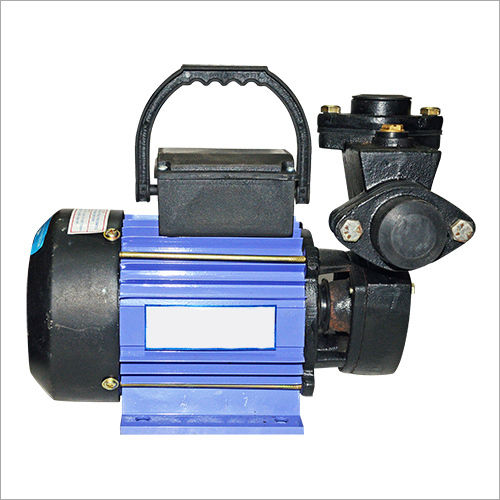
Tell us about your requirement

Price:
Quantity
Select Unit
- 50
- 100
- 200
- 250
- 500
- 1000+
Additional detail
Mobile number
Email

More Products in Monoblock Pump Category
Monoblock Pumps
Price Range 1900.00 - 2000.00 INR
Minimum Order Quantity : 50 Pieces
Control System : Manual
Working Temperature : 5C 60C
Priming : Self Priming
Features : Thermal Overload Protection, Compact Design, Energy Efficient

Contact Details
VEGA PUMPS
Haryana, India
- NH 124/5, Nit Faridabad, Oppt Bhiyake Mandir,Faridabad - 121001, Haryana, India
- Phone :08071931791
 Send Inquiry
Developed and Managed by Infocom Network Private Limited.
